Table of Contents
When install rubber roofing in Ireland
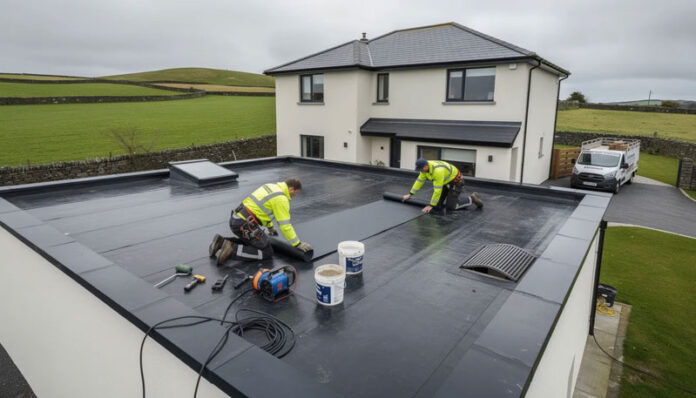
Flat roofs are a common feature across Ireland, from suburban extensions in Dublin to coastal garages in Cork and garden rooms in Galway. While traditional felt systems were once the standard choice, many property owners now choose to install rubber roofing as a longer-lasting and more resilient alternative.
However, the real question most homeowners ask is not how to install rubber roofing, but when it becomes necessary — and whether it is the right solution for their particular property.
Ireland’s climate presents specific challenges: consistent rainfall, high humidity, Atlantic winds, and fluctuating temperatures throughout the year. A flat roof must cope with prolonged moisture exposure, occasional frost, and in coastal counties, salt-laden air. Choosing the right roofing system is therefore not simply a design decision, but a structural one.
This guide explains when rubber roofing should be considered, why it is often chosen over felt or bitumen systems, what lifespan you can expect in Irish conditions, and why correct professional installation plays a crucial role in long-term performance.
Key Takeaways
- Rubber roofing is particularly well suited to Ireland’s damp and changeable climate.
- Many flat roofs require replacement after 15–25 years if built with traditional felt systems.
- Persistent leaks, cracking, blistering or ponding water are common signs that replacement should be considered.
- A professionally installed rubber roof can last 30–50 years with minimal maintenance.
- Correct preparation and detailing are critical to long-term performance.
- Complex roof shapes, skylights and multiple penetrations increase the importance of professional installation.
What Is Rubber Roofing and Why Is It Popular in Ireland?
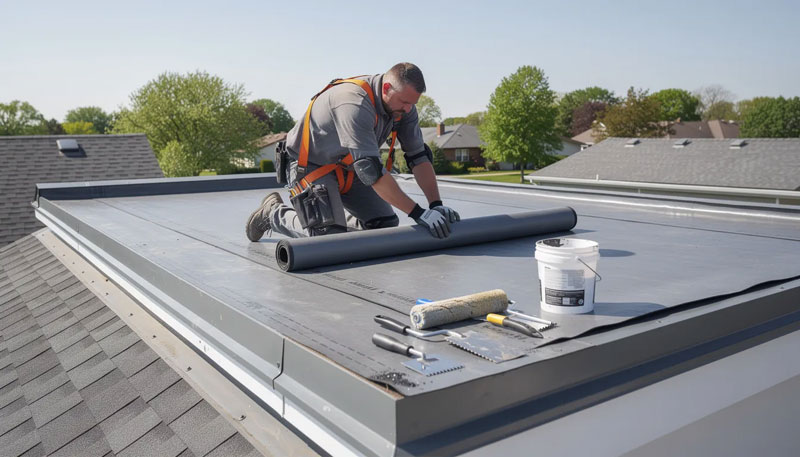
Rubber roofing typically refers to a single-ply EPDM membrane — a synthetic rubber material designed to create a seamless, watertight covering over flat or low-slope roofs. Originally developed for commercial buildings, it has become increasingly popular for domestic properties across Ireland over the past two decades.
It is commonly installed on:
- Single-storey kitchen extensions
- Dormer roofs
- Garages and carports
- Garden offices and studios
- Bay window roofs
- Apartment block flat roofs
There are several reasons why rubber roofing performs well in Irish conditions:
1. Excellent Water Resistance
Ireland experiences consistent rainfall throughout the year. A roofing material must remain waterproof even under prolonged exposure. Rubber membranes are supplied in large sheets, often covering smaller domestic roofs without seams, significantly reducing potential weak points.
2. Flexibility in Changing Temperatures
Irish winters can bring frost, while summer temperatures occasionally rise significantly, especially in sheltered urban areas such as Dublin or Limerick. Rubber roofing remains flexible in cold weather and does not become brittle over time, reducing the risk of cracking.
3. Resistance to UV and Weathering
Although Ireland is not known for extreme sunshine, UV exposure still degrades traditional felt systems over time. Rubber membranes are UV-stable and maintain performance for decades.
4. Reduced Joint Failure
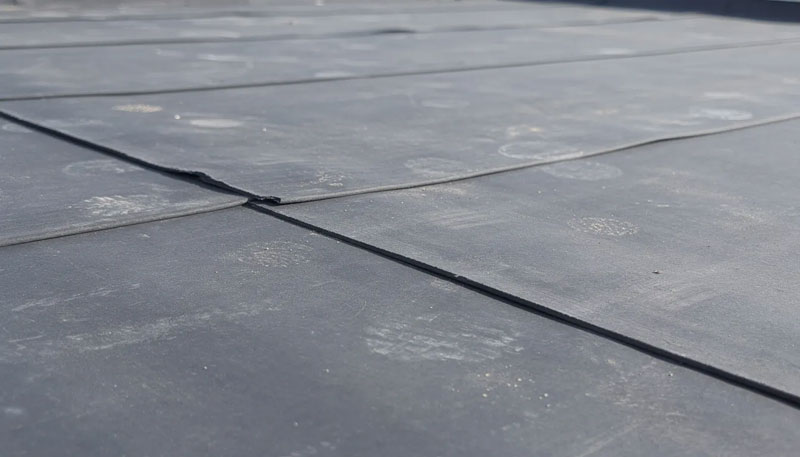
Traditional felt roofs are installed in overlapping layers. Over time, these overlaps can separate. Rubber roofing, by contrast, is typically installed in large continuous sheets, meaning fewer joins and reduced risk of leakage.
For these reasons, many property owners now choose to install rubber roofing when upgrading or replacing ageing flat roof coverings.
When Should You Consider Installing Rubber Roofing?
One of the most common questions homeowners ask is whether they truly need a full roof replacement or whether a repair would suffice. While minor issues can sometimes be addressed temporarily, certain warning signs indicate that replacement should be seriously considered.
Persistent Leaks
Occasional small leaks may be repairable. However, if leaks reappear repeatedly — particularly after heavy rainfall — this usually suggests that the underlying system has deteriorated.
Water staining on ceilings, bubbling paint, or damp insulation often indicates failure in multiple areas, not just a single isolated defect.
Ponding Water
Flat roofs should allow water to drain efficiently. If water regularly pools for more than 48 hours after rainfall, this may signal:
- Deck movement
- Insufficient fall
- Membrane shrinkage
- Failing seams
Prolonged ponding accelerates deterioration and increases the likelihood of structural damage.
Cracking or Blistering Felt
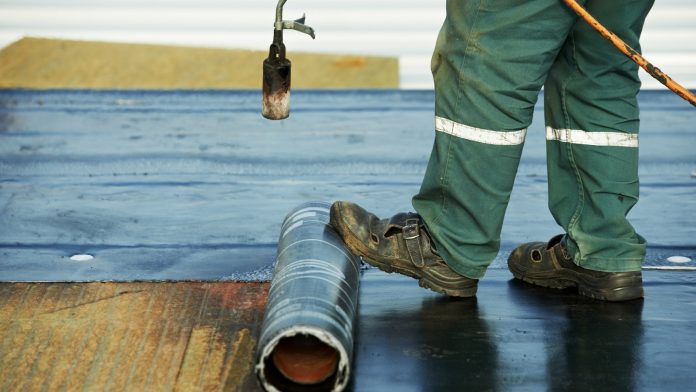
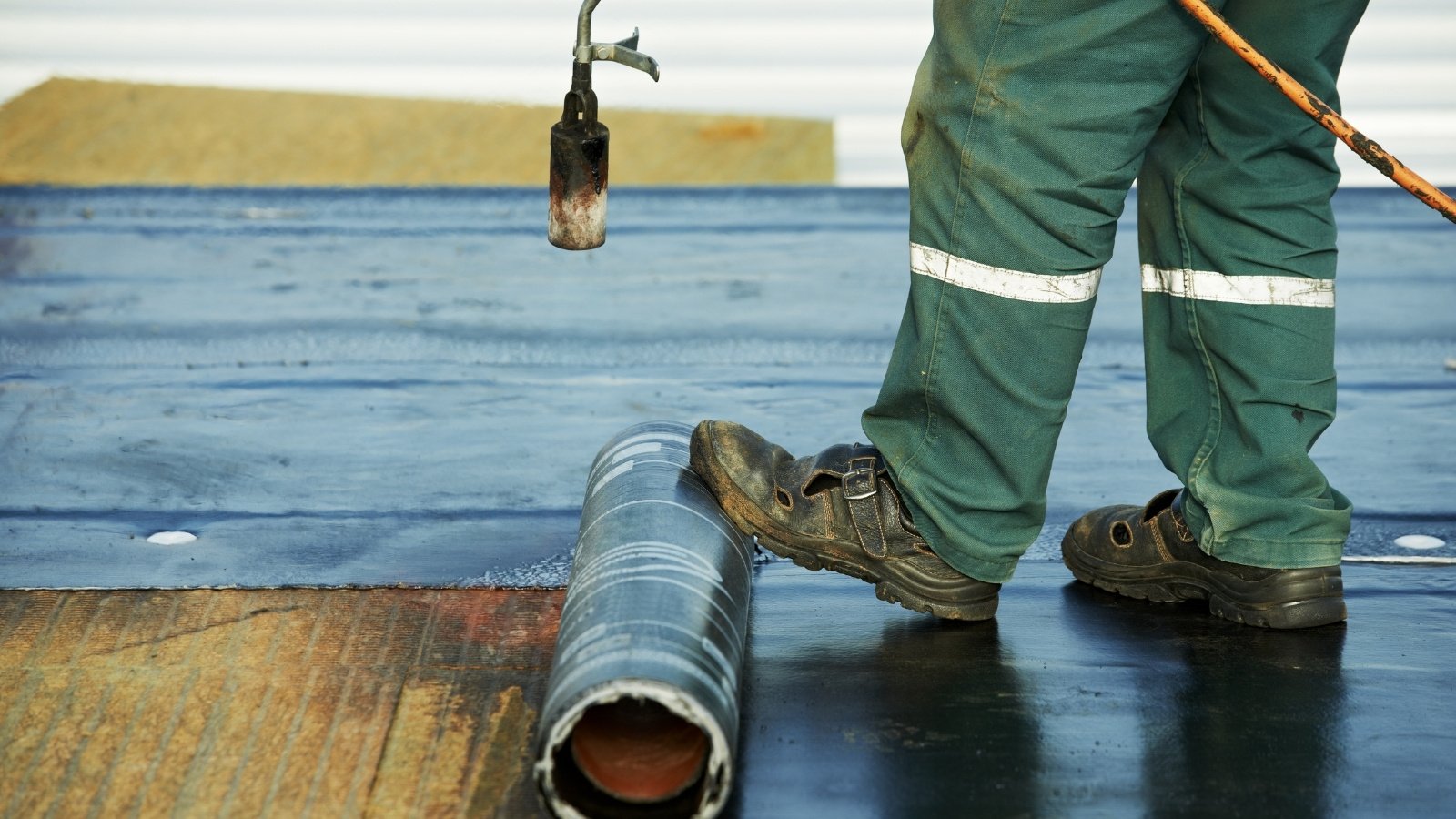
Many older Irish homes still have traditional torch-on felt systems. Over time, exposure to weather causes:
- Surface cracking
- Blister formation
- Lifting at joints
- Shrinkage at edges
Once these symptoms appear across multiple sections of the roof, replacement becomes more practical than repeated patch repairs.
Roof Age
If your flat roof is more than 20 years old and built with felt or bitumen, it may be approaching the end of its reliable lifespan. Even if no visible leaks are present yet, preventative replacement can avoid unexpected internal damage.
Structural Movement
Timber decks can expand and contract with Ireland’s moisture levels. If movement has compromised the integrity of the existing covering, installing rubber roofing may provide improved flexibility and long-term resilience.
Why Replace Felt or Bitumen with Rubber Roofing?
Many Irish properties built before 2005 still rely on felt or bitumen-based flat roofing systems. While these materials were commonly used for decades, modern rubber membranes now offer several advantages that make them a compelling choice for replacement, particularly in Ireland’s damp and changeable climate.
Key Benefits of Rubber Roofing
- Longer Lifespan
Traditional felt systems typically need replacing every 15–25 years, depending on exposure and maintenance. Rubber roofing, when professionally installed, can last 30–50 years, providing decades of reliable protection with minimal intervention. This extended lifespan makes it a practical long-term investment, reducing the frequency of disruptive repairs or full replacements. - Fewer Seams, Lower Risk of Leaks
Felt roofs rely on multiple overlapping layers, and each overlap is a potential weak point where water can penetrate. Rubber membranes are often installed in large, continuous sheets for domestic extensions or small commercial roofs. This results in fewer joints and significantly reduces the likelihood of leaks, even during heavy or persistent rainfall common in Irish winters. - Improved Flexibility
Rubber membranes are highly flexible and can expand and contract with changes in temperature and moisture. This flexibility is particularly important in Ireland, where timber decks and roofing structures naturally expand and contract with fluctuating humidity and seasonal wet conditions. Felt or bitumen roofs can become brittle over time, leading to cracks and lifting, whereas rubber membranes maintain their integrity. - Reduced Maintenance Requirements
Felt systems often need ongoing attention, such as patching seams or repairing minor leaks. Rubber roofs typically require only occasional inspections and basic cleaning to remove debris. This low-maintenance aspect is especially advantageous for busy homeowners or properties exposed to frequent storms. - Better Performance in Coastal Areas
In coastal counties like Cork, Galway, and Wexford, salt-laden air can accelerate the deterioration of traditional roofing materials. Rubber membranes are far more resistant to this type of environmental exposure, helping to prevent corrosion and prolong the roof’s service life. - Enhanced Waterproofing and Durability
Rubber membranes create a continuous, watertight layer over the roof deck. This seamless protection not only prevents leaks but also reduces the risk of water damage to the structure beneath, including insulation, timber joists, and interior finishes. - Adaptable to Various Roof Shapes and Extensions
Rubber roofing is suitable for a wide range of domestic roof types, including extensions, dormers, porches, garages, and garden offices. Its adaptability makes it a versatile option for homeowners looking to upgrade or modernise older flat roofs.
For many property owners, these advantages make rubber roofing more than just a replacement option — it represents a long-term upgrade, improving durability, weather resistance, and peace of mind.
Is Rubber Roofing Suitable for Every Flat Roof?
Although rubber roofing is versatile, it is not automatically suitable in every scenario. A professional assessment is essential before proceeding.
Factors to consider include:
Roof Structure Condition
If the timber deck beneath the old roof is rotten or structurally unsound, it will need to be addressed before any new membrane is installed.
Drainage and Roof Falls
Flat roofs require a minimum fall to encourage drainage. If water pooling is caused by structural sagging, correcting the fall may be necessary.
Insulation Requirements
Irish Building Regulations may require insulation upgrades when carrying out significant roof works, particularly on habitable extensions.
Complex Roof Shapes
Roofs with:
- Multiple skylights
- Roof lanterns
- Solar panel fixings
- Parapet walls
- Internal outlets
Require careful detailing. In such cases, professional installation becomes particularly important.
Common Problems Caused by Poor Installation
Rubber roofing has an excellent reputation for durability — but only when installed correctly. Many of the failures associated with rubber systems are linked not to the material itself, but to incorrect installation.
Typical issues include:
Inadequate Surface Preparation
If the roof deck is not properly prepared, moisture or debris can compromise adhesion and lead to premature lifting.
Incorrect Adhesive Application
Improper bonding can result in bubbles, wrinkles or separation along edges and upstands.
Poor Perimeter Detailing
Edges, trims and wall junctions are vulnerable points. Poor detailing can allow water ingress behind the membrane.
Weak Flashing Around Penetrations
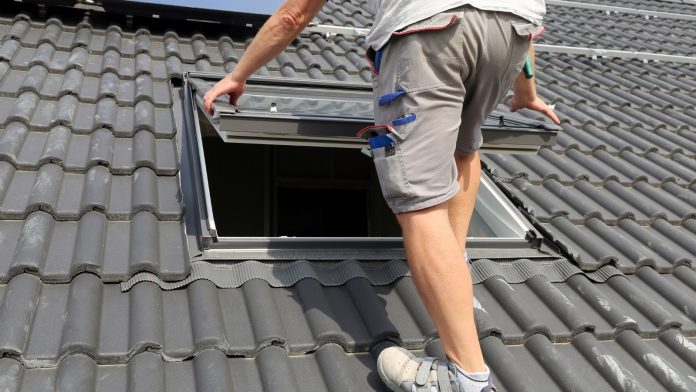
Skylights, vents and pipe penetrations require careful sealing. Incorrect detailing in these areas is a common source of leaks.
How Long Does Rubber Roofing Last in Irish Conditions?
A properly installed rubber roof can typically last between 30 and 50 years.
Several factors influence longevity:
- Quality of installation
- Condition of underlying deck
- Exposure to coastal conditions
- Maintenance frequency
- Roof traffic levels
In coastal areas such as Galway or Waterford, regular inspections are advisable due to increased exposure to wind-driven rain and salt.
Unlike felt systems, rubber membranes do not become brittle over time. Their flexibility allows them to accommodate slight structural movement without cracking.
What Maintenance Does a Rubber Roof Require?
One of the main advantages of rubber roofing is its low maintenance requirement.
Routine care generally includes:
- Visual inspection once or twice per year
- Clearing leaves and debris
- Checking outlets and gutters
- Inspecting edges and flashings after storms
While small surface marks may appear over time, these rarely affect waterproofing performance.
If damage such as punctures or lifting is observed, professional assessment is recommended to prevent escalation.
Can Rubber Roofing Be Installed Over an Existing Roof?
In some cases, it is possible to install a rubber roof over an existing covering, but careful assessment is essential. Key considerations include:
- Sound underlying structure: The roof deck must be solid, free from rot, sagging, or structural movement. Weak joists or decayed decking can compromise the membrane.
- No trapped moisture: Any moisture between the old and new layers can accelerate deterioration and reduce the lifespan of the rubber roof.
- Stable and level surface: Uneven surfaces may cause wrinkles, pooling, or poor adhesion, which can lead to leaks.
- Over-boarding as an option: Adding a layer of suitable plywood or OSB over the existing roof can sometimes create a safe base, but only if the old roof is generally stable.
- Underlying issues must be addressed: Simply covering a failing roof may hide problems temporarily, but cracks, leaks, or structural weakness will worsen over time.
- Impact on insulation and regulations: Over-roofing may affect thermal performance and compliance with Irish building standards, particularly in habitable rooms.
A professional roof inspection in Ireland can determine whether over-boarding is appropriate or if full removal of the existing covering is required. Experts will ensure that:
- The new rubber membrane is properly supported
- The roof is watertight and resistant to ponding
- Energy efficiency and condensation prevention are maintained
- Long-term performance is maximised, avoiding costly repairs in the future
Professional Rubber Roofing Installation in Ireland
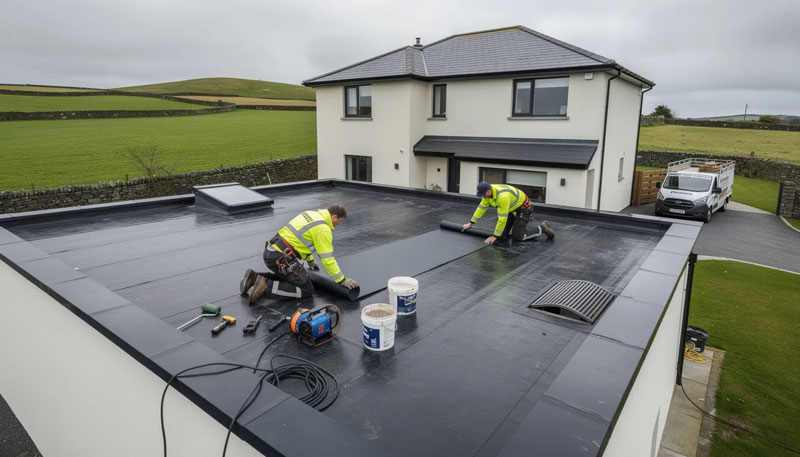
Choosing to install rubber roofing is only part of the decision. Ensuring it is fitted correctly is equally important.
Professional installation typically includes:
- Full assessment of roof structure
- Evaluation of drainage and fall
- Inspection of insulation levels
- Careful detailing around skylights and walls
- Compliance with Irish building standards
Experienced roofing specialists understand the specific challenges presented by Ireland’s climate, including persistent rainfall and high wind exposure.
If you are considering installing rubber roofing on your property in Ireland, a professional assessment can help determine whether replacement is necessary and whether rubber is the most suitable long-term solution for your roof.
FAQs
How long does rubber roofing last?
A professionally installed rubber roof in Ireland can provide reliable protection for 30 to 50 years. Its lifespan depends on factors such as exposure to rain and wind, proximity to coastal conditions, and regular inspections to address minor wear before it develops into more serious issues.
Is rubber roofing better than felt?
Rubber roofing generally outperforms traditional felt for many properties. It offers greater durability, maintains flexibility in fluctuating temperatures, and has far fewer seams, reducing the risk of leaks and ongoing maintenance compared with felt systems.
Does rubber roofing cope well with Irish weather?
Absolutely. Rubber membranes are particularly suited to Ireland’s damp climate and variable temperatures. They remain watertight during prolonged rainfall and flexible through frost or occasional heat, making them a reliable choice for both residential and commercial flat roofs.
When should I replace my flat roof?
You should consider replacing a flat roof if you notice persistent leaks, cracking or blistering of the existing covering, water pooling after rain, or if the roof is approaching 20 years of age. Early replacement can prevent more extensive damage and protect the property structure beneath.
Can I walk on a rubber roof?
Light, occasional foot traffic is usually acceptable, but it should be limited to avoid unnecessary wear. For regular access, such as maintenance or servicing equipment, installing protective walkways or using temporary boards is recommended to safeguard the membrane and maintain its long-term performance.
Related Roofing and Exterior Services
If you’re considering rubber roofing, you may also find these services helpful for maintaining and protecting your property:
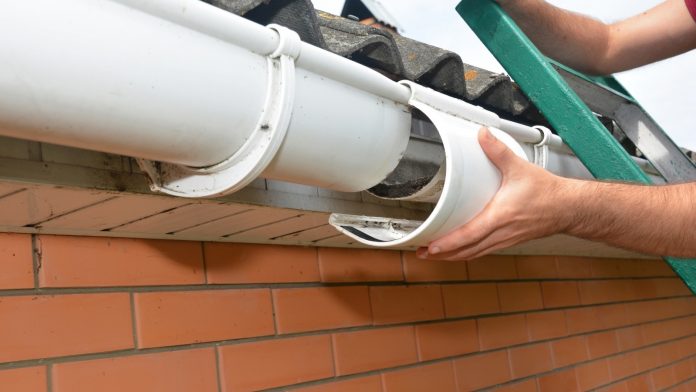
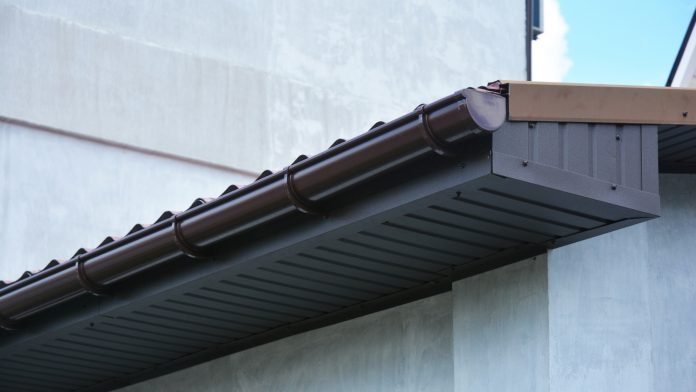
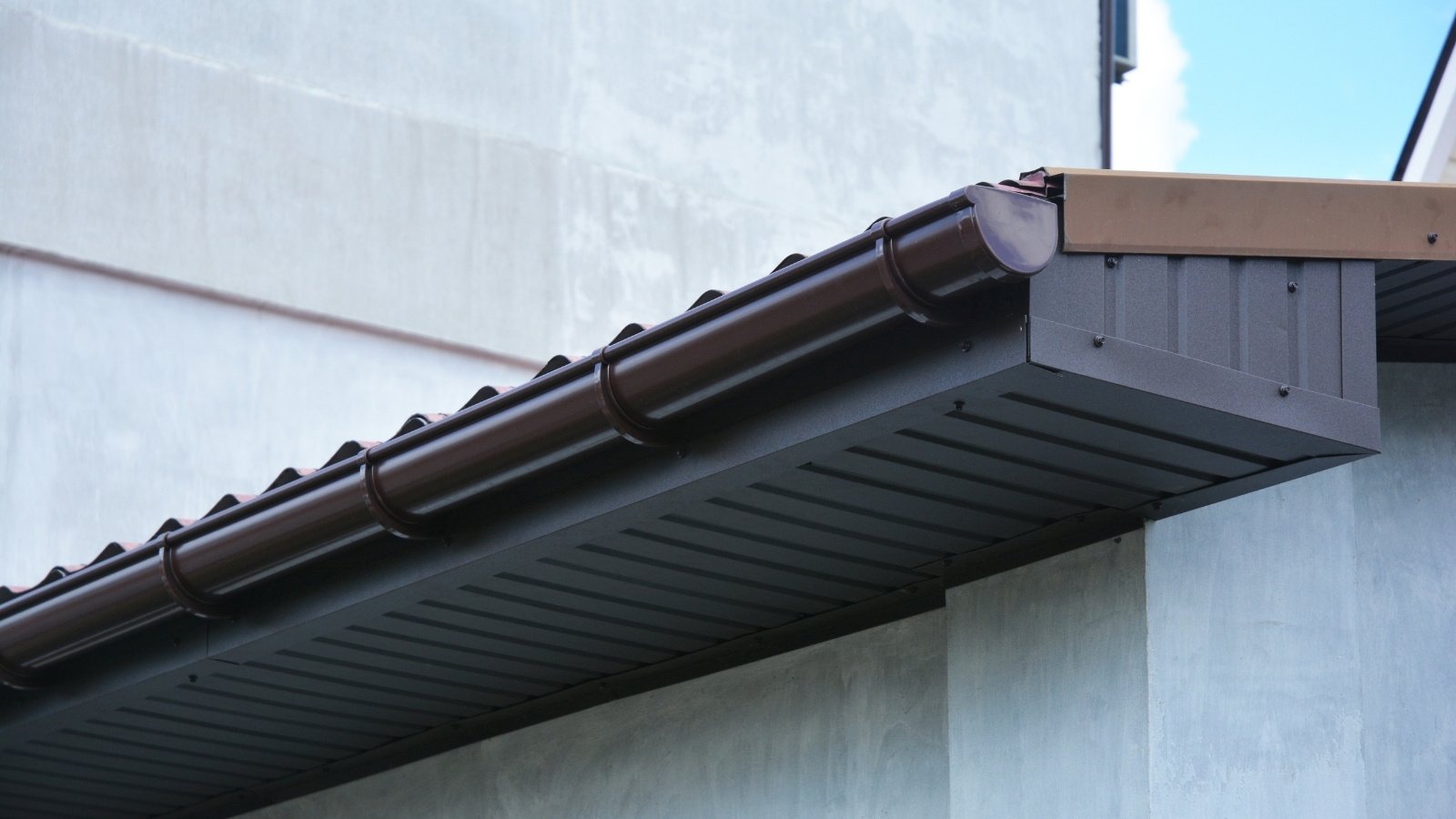
- Fascia, Soffits & Guttering – Professional installation and repair to protect roof edges and improve drainage.
- Gutter Repairs – Essential maintenance to prevent water damage and ensure effective runoff from flat and pitched roofs.
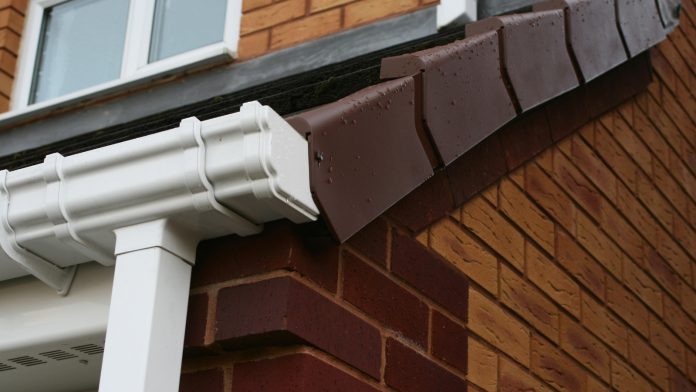
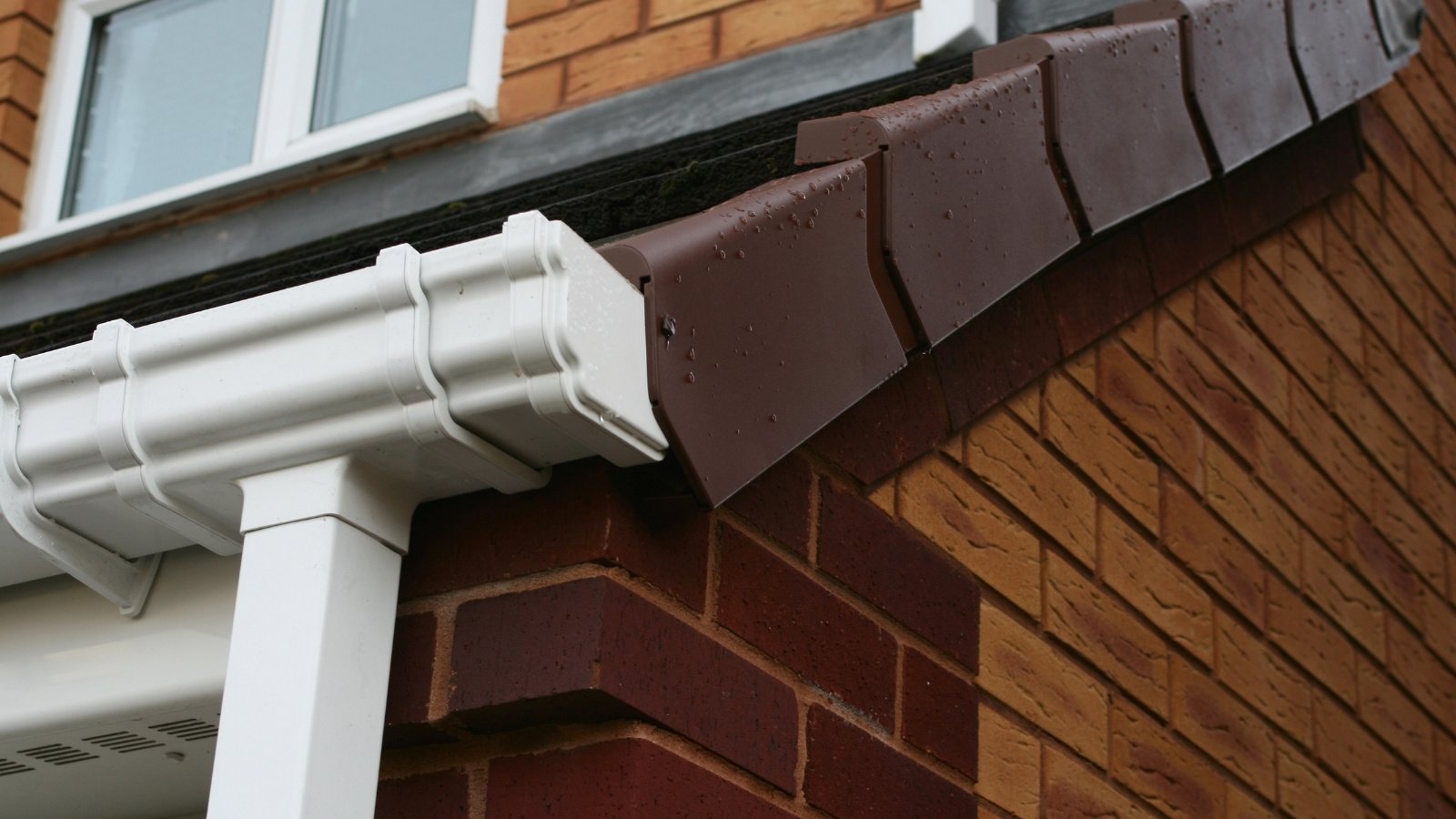
- Dry Verges – Durable edging solutions for tiled or flat roofs, enhancing longevity and weather resistance.
Combining professional rubber roofing with these exterior services ensures your property remains watertight, structurally sound, and visually appealing in all Irish weather conditions.

 You can count on our staff to take care of everything for you and stay within your budget when you require local roofers in Dublin, Kildare or Meath. No call out fees, hidden costs, or additional costs Ireland’s Dublin Kildare Meath region is serviced to a high standard by our roofers.