Table of Contents
Key Takeaways
Rubber roofing, primarily EPDM (ethylene propylene diene monomer), has become one of the most reliable options for flat roofs and low slope roofs across Ireland. Whether you’re replacing an ageing garage roof in Cork or upgrading a leaky extension in Dublin, this roofing material offers proven performance against Ireland’s demanding Atlantic weather.
- Exceptional longevity: Well-installed EPDM rubber roofing systems commonly last 30–50 years in Ireland’s wet, windy climate, far outlasting traditional felt roofing on most properties.
- Superior weather resistance: The continuous rubber membrane creates a waterproof barrier that handles heavy rainfall, wind-driven rain, and standing water without degrading.
- Minimal upkeep required: Once professionally fitted, rubber roofs need only periodic inspections and basic cleaning—ideal for busy property owners and landlords managing multiple sites.
- Energy efficiency benefits: When combined with appropriate insulation, rubber roofing systems help reduce heat loss and support compliance with Irish building regulations.
- Wide application: Suitable for residential extensions, commercial buildings, schools, healthcare facilities, and rental properties throughout Ireland.
Introduction: Why Rubber Roofing Matters in Ireland
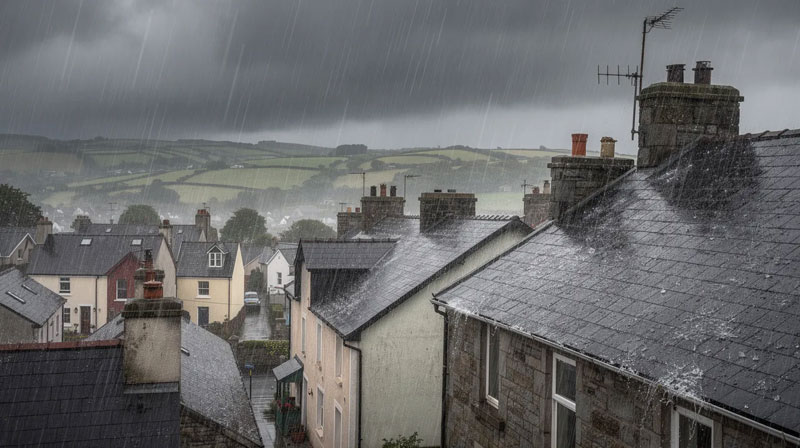
Ireland’s weather poses unique challenges for flat roofs. Frequent rain, strong Atlantic winds, temperature swings between seasons, and persistent dampness in coastal areas like Galway and Donegal put enormous pressure on roofing materials. Properties with flat or low-slope roof surfaces—common on house extensions, garages, and commercial buildings—need coverings that can withstand these conditions year after year.
A rubber roof, typically made from EPDM membranes, offers a modern solution to these age-old problems. If you’re considering the right time for this type of upgrade, you may also want to read about when to install rubber roofing in Ireland.
This article is aimed at Irish homeowners, landlords, and facilities managers who are considering replacing an ageing flat roof with a more durable, low maintenance system. We’ll cover the main benefits, potential drawbacks, suitability for different Irish property types, regulatory considerations, and how to choose a certified installer. Throughout, we’ll focus on outcomes that matter: fewer leaks, less disruption, and complete protection for your property over the long term.
What Is a Rubber Roof? (EPDM Explained)
Rubber roofing refers to a synthetic rubber membrane system that has been used extensively on European roofs since the 1960s. The most common type is EPDM—ethylene propylene diene monomer—a single-ply rubber sheet supplied in large rolls and bonded to a prepared roof deck to create a continuous waterproof layer.
EPDM rubber roofing is most appropriate for:
- Flat roofs on terraced house extensions
- Dormer roofs on bungalows
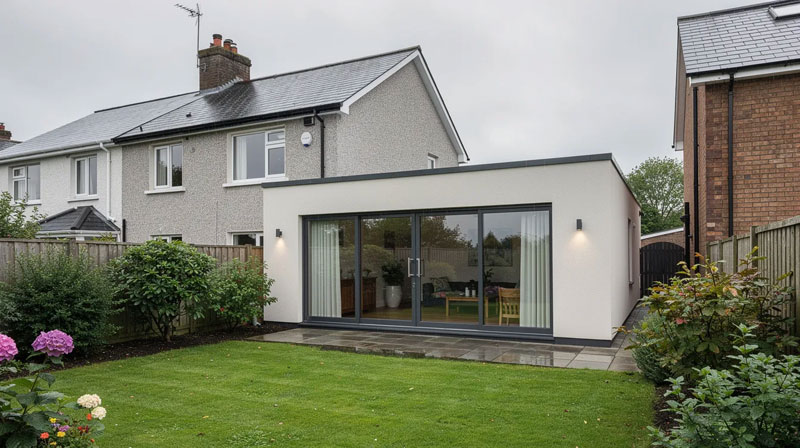
- Single-storey rear additions
- Garage roofs and porches
- Small commercial premises
- Light industrial units
The EPDM membranes used in Ireland are manufactured to European standards, offering resistance to UV rays, ozone degradation, and the temperature extremes experienced from coastal areas like Kerry to inland counties like Kildare. This makes EPDM roofing particularly well-suited to Ireland’s variable climate.
Rubber roofing differs fundamentally from traditional torch-on felt or poured bitumen systems. While those older materials rely on multiple layers and heat application, EPDM is a fully adhered single membrane that stretches and moves with the underlying structure without cracking. This difference underpins many of the advantages covered throughout this article.
Key Properties of EPDM for Irish Roofs
Understanding what makes EPDM suitable for Irish conditions helps explain why many homeowners and commercial property owners are making the switch.
Technical characteristics include:
Key properties of EPDM for Irish roofs include:
- High elasticity: The membrane stretches and returns without cracking during thermal expansion, accommodating seasonal temperature changes.
- UV stability: EPDM doesn’t become brittle under sun exposure over decades, ensuring long-term durability.
- Cold flexibility: It remains supple even in colder Irish winters, maintaining its protective qualities.
- Large sheets: Supplied in large rolls, EPDM creates fewer seams, which means fewer potential leak points.
- Chemical inertness: The material won’t leach harmful substances into rainwater drainage, making it environmentally safe.
These characteristics make EPDM rubber roofing particularly well-suited to Ireland’s challenging climate conditions.
EPDM membranes are typically available in black finish (most common in Ireland), though lighter colours can be specified where visual or energy-performance requirements demand it. The rubber membrane is compatible with most common roof deck materials used in Ireland, including OSB3 boards, plywood, and concrete decks, when properly prepared by a professional contractor.
One important note: EPDM is not compatible with petroleum-based products, so detailing and accessories must be chosen carefully by experienced installers. This is another reason why professional specification and installation are essential for ensuring good adhesion and long term durability.
Main Advantages of Installing a Rubber Roof in Ireland
This section addresses the central question: why install a rubber roof on your Irish property? The benefits relate directly to Ireland’s weather patterns, building types, and regulatory context.
The advantages fall into five main categories: durability, weather resistance, low maintenance requirements, energy performance, and environmental impact. Each matters whether you’re re-roofing a 1980s extension in Limerick or upgrading a flat roof over a shop in Belfast.
Long Lifespan and Proven Durability
Well-installed EPDM rubber roofing systems commonly achieve service lives of 30–50 years in European climates similar to Ireland. This isn’t speculation—many rubber roofs laid down in the 1970s are still performing today, exceeding 50 years of continuous service.
What accounts for this remarkable durability?
- Flexibility: EPDM’s molecular structure allows it to move with the building as roof structures settle or timber decks expand and contract through Irish seasonal changes
- Crack resistance: Unlike rigid materials that can split under thermal stress, rubber membranes remain intact through temperature variations
- UV stability: The material doesn’t quickly become brittle when exposed to changing Irish skies over decades
Compare this with typical experience of older felt roofs in Ireland, which often develop splits, blisters, or water pooling problems within 15–30 years—particularly on sun-exposed south-facing elevations.
For building types where roof access is restricted and disruption is costly—schools, healthcare facilities, apartment blocks—this long lifespan is especially valuable. For homeowners planning to stay in their property long term, a rubber roof can be a once-in-a-generation decision rather than a frequent patching exercise.
Excellent Leak and Weather Resistance
Ireland’s Atlantic storms demand roofing systems that can handle persistent, heavy rainfall. Rubber roofs deliver through their continuous membrane design.
However, leak resistance still depends on professional detailing around rooflights, chimneys, parapets, and outlets. Issues such as flashing or junction failures can sometimes be linked to related components, such as chimneys and flues, which are explained in more detail in our guide on when to repair a chimney flue.
Key weather resistance benefits:
- Minimal seams: EPDM comes in large sheets providing hundreds of square feet of coverage in a single section with no gaps. Fewer seams mean fewer places for water to penetrate.
- Standing water tolerance: EPDM membranes remain watertight even under ponding water—important when drains become temporarily blocked by leaves, moss, or storm debris.
- Wind-driven rain protection: Properly detailed EPDM roofs cope well with horizontal rain common along the west coast in Galway, Mayo, and Donegal.
- Hail resistance: Quality rubber roofing can withstand hail up to three inches in diameter and high winds without damage.
The material’s resistance to UV damage means it doesn’t suffer the brittleness that affects some older systems over time. This translates to fewer emergency repairs and greater peace of mind during Irish winter storms.
Low Ongoing Maintenance for Busy Property Owners
Once professionally installed, rubber roofs require remarkably little attention. This makes them ideal for landlords managing multiple rental properties and facilities managers overseeing commercial buildings across Ireland.
Typical maintenance requirements:
- Periodic visual inspections (professional recommendation: twice yearly)
- Clearing gutters before the winter rainy season
- Checking outlets after autumn storms
- Inspecting around rooflights or solar panel mounts
EPDM’s smooth roof surface discourages moss and algae growth compared with some older felt or asphalt roofs. This is particularly beneficial on north-facing elevations and in shaded Irish gardens where biological growth can be problematic on other materials.
When repairs are needed, they’re usually localised and straightforward for trained contractors. In many cases, a tube of liquid rubber or special repair tape is all that’s required to address minor damage. This minimises disruption to home or business life.
Important: Any work involving walking on the roof or modifying the membrane should be carried out by professionals. This protects both safety and manufacturer warranties—a critical consideration for long-term performance.
Energy Performance and Comfort Benefits
A correctly designed rubber roofing system, combined with appropriate insulation, helps reduce heat loss from Irish homes and commercial buildings. This matters for both comfort and compliance with building regulations.
In Ireland’s mild but damp climate, a warm, well-insulated flat roof contributes to:
- More even indoor temperatures throughout the year
- Reduced draughts and cold spots near ceilings
- Lower energy bills during heating season
- Better control of summertime heat gain on exposed urban roofs
Lighter-coloured EPDM or reflective finishes can be specified in projects where solar heat gain needs managing—useful for south-facing roofs in cities like Dublin, Cork, and Limerick.
It’s important to understand that the membrane itself is only one part of overall thermal performance. The choice and thickness of insulation, vapour control layers, and professional detailing must be designed to meet or exceed current Irish Part L standards. This is why working with experienced contractors who understand Irish regulations is essential.
Environmentally Considerate Choice
Many homeowners today consider environmental impact when choosing building materials. Rubber roofing offers several sustainability advantages:
- Recycled content: Many EPDM membranes used in Europe contain recycled rubber
- End-of-life recycling: EPDM can be recycled rather than sent to landfill
- Reduced replacement frequency: A 30–50 year lifespan means fewer roof replacements over a building’s lifetime, reducing material use and transport emissions
- Chemical stability: EPDM is inert once installed, with no ongoing leaching of harmful substances into Irish rainwater drainage systems
- Green roof compatibility: EPDM can be incorporated into simple green roof build-ups on suitable buildings due to its resistance to roots, moisture, and fertilisers
These characteristics position rubber roofing as an option that supports Ireland’s move toward more sustainable construction and refurbishment practices.
Potential Drawbacks and Considerations Before You Choose Rubber
While rubber roofing offers significant advantages for Irish properties, it isn’t perfect for every situation. Understanding these considerations helps property owners have informed conversations with professional roofing contractors.
Aesthetic and Design Limitations
Many EPDM roofs installed in Ireland have a plain black finish. When viewed from upper floors or neighbouring properties, this can appear more industrial than traditional slate or tile roofing.
Practical context:
- This is typically less of an issue on single-storey extensions, garages, and rear roofs not highly visible from the street
- Some manufacturers now offer lighter-coloured or textured finishes
- Parapet details, gravel margins, or roof gardens can soften the appearance where visual impact matters
- Irish planning authorities generally focus more on principal pitched roofs than flat roof coverings
Homeowners concerned about appearance should ask their roofer to show photographs of completed rubber roofs on similar Irish properties. Always check local planning guidance if visual considerations are important to your project.
Dependence on Professional Installation Quality
The performance of a rubber roof in Ireland depends heavily on the skill and experience of the installer. Critical areas requiring expertise include:
- Edge detailing and upstands
- Rooflight and chimney flashings
- Rainwater outlet connections
- Ensuring good adhesion to the substrate
- Creating adequate falls to prevent water pooling
Poor adhesion, trapped moisture, or insufficient drainage falls can lead to problems even with premium-quality membranes. EPDM roofing is absolutely not recommended as a DIY project for homeowners due to working-at-height risks, material-handling requirements, and the need for correct substrate preparation.
Manufacturer warranties and insurance backing typically require installation by approved contractors—giving practical as well as safety reasons to avoid unqualified labour.
Material Sensitivities and Use-Case Limits
Rubber roofing has specific applications where it excels and others where it’s unsuitable:
Suitable Applications for Rubber Roofing:
- Flat roofs
- Low slope roofs
- Extensions and garages
- Commercial flat roofs
Applications Not Recommended for Rubber Roofing:
- Steep pitched roofs
- Roofs requiring regular heavy foot traffic
- Applications involving petroleum-based solvents
- Unmanaged areas with overhanging branches
EPDM can be punctured by sharp objects or careless foot traffic during other works such as installing satellite dishes or solar panels. Any roof access should be controlled and supervised to prevent damage.
In areas of Ireland with significant overhanging trees, branches should be managed to reduce the risk of impact damage and leaf build-up on the roof surface. These limitations are entirely manageable through proper design, specification, and maintenance planning by qualified professionals.
Is a Rubber Roof Right for Your Irish Property?
Suitability depends on your roof type, location, existing roof structure, and expectations for longevity and maintenance. Rubber roofing is particularly effective for flat roofs across Ireland, but a professional survey is essential before committing to any replacement system.
Irish Homes: Extensions, Garages and Dormers
Rubber roofs work exceptionally well in typical Irish residential settings:
- Kitchen extensions in 1990s estates: Replacing ageing felt that suffers recurring leaks from pooling water or sun damage
- Converted garages in commuter towns: Creating reliable waterproofing for new living spaces
- Dormer roofs on bungalows: Providing neat, low-profile solutions around windows with clean junctions to pitched roof coverings
Homeowners looking to add rooflights, roof lanterns, or even a simple roof terrace should discuss EPDM compatibility with their chosen roofer during the planning stage. The existing roof structure in older Irish homes should be assessed, especially where decks may have been affected by moisture damage over time.
Rental Properties and Multi-Unit Buildings
Landlords and management companies across Ireland increasingly prefer rubber roofing for apartment blocks, duplex developments, and terraced houses. The reasons are practical:
- Long service life reduces replacement frequency
- Low maintenance requirements simplify property management
- Robust leak prevention protects multiple units, ceilings, and electrical systems from water damage
- Regular professional inspections can be scheduled as part of building management routines
EPDM accommodates typical roof penetrations found on multi-unit buildings—ventilation terminals, flues, and plant supports—when professionally detailed. Owners of larger residential blocks should request a roof condition survey that includes rubber as one of the recommended options.
Shops, Offices and Light Industrial Premises
Many retail units, business parks, and light industrial buildings across Ireland have flat roofs, making them strong candidates for rubber roofing during refurbishments or extensions.
Commercial benefits include:
- Resistance to controlled foot traffic for plant maintenance access
- Protection of stock, IT equipment, and interiors against storm-related leaks
- Possibility of phased replacement on larger roofs, allowing businesses to continue trading
- Compatibility with air-conditioning units, ventilation fans, and other rooftop plant
Both a roofing specialist and, where necessary, a structural engineer should be involved when planning major roof upgrades on commercial properties.
How Rubber Roofing Supports Irish Building Regulations and Best Practice
Any significant roof replacement or refurbishment in Ireland must account for building regulations and local authority requirements. While this article doesn’t provide legal advice, understanding how rubber roofing fits within Irish standards helps property owners prepare for professional consultations.
Structural and Drainage Considerations
A competent Irish roofer will assess whether the existing roof deck and supporting structure can receive a new EPDM membrane without reinforcement. Key considerations include:
- Load capacity: Rubber roofing is lightweight compared with some older systems, generally positive for Irish structures
- Drainage falls: Adequate falls to outlets must be ensured to prevent long-term standing water
- Deck condition: Any rot, delamination, or moisture damage must be addressed before fitting new rubber roofing
- Structural integrity: Where changes are required, a qualified structural engineer should confirm compliance with Irish building regulations
Owners of older Irish buildings should request thorough condition surveys before any rubber roof installation is specified.
Thermal Performance and Moisture Control
Under Irish regulations, flat roof refurbishments often trigger requirements to upgrade thermal insulation. This is typically installed below or above the roof deck in conjunction with the EPDM membrane.
Critical design elements:
- Warm-roof build-ups that manage condensation risk in Ireland’s damp conditions
- Vapour control layers specified to prevent moisture accumulation
- Insulation type and thickness meeting or exceeding Irish Part L standards
- Proper detailing at junctions and penetrations
Fire, Safety and Access
Roofing materials used in Ireland must meet relevant fire performance requirements, particularly in shared or multi-storey buildings. Many EPDM systems carry suitable external fire ratings when installed over appropriate build-ups, but exact specifications should be confirmed by the supplier and contractor.
Safe access during installation and future inspections is essential, especially on higher roofs in Irish towns and cities. All roofing work at height must comply with health and safety regulations and be carried out by trained personnel.
Building owners should maintain records of roof specifications, warranties, and inspection reports as part of broader building safety documentation.
Working with a Professional Rubber Roofing Contractor in Ireland
Choosing the right contractor is among the most important steps in achieving a successful rubber roof installation. The focus here is on assessing professionalism and suitability—not how to do the work yourself.
For a wider range of professional services across Ireland, including full roofing solutions and specialist works, our team of roofers in Ireland can help.
Experience and Credentials to Look For
When selecting a contractor for new rubber roofing installation, verify:
- Specific EPDM experience: Several years working with rubber systems on Irish flat roofs
- Trade body membership: Recognised Irish or international roofing associations
- Manufacturer approval: Certified installer status with membrane suppliers
- Insurance cover: Appropriate public liability and professional indemnity
- References: Case studies or addresses of completed projects in your county
Ask to see photographs of completed rubber roofs on properties similar to yours in Dublin, Cork, Galway, or your local area. Request written confirmation of the proposed membrane type, expected lifespan under Irish conditions, and any guarantees offered.
Remember: the cheapest quote isn’t necessarily the best choice. In Ireland’s demanding climate, quality workmanship and proven materials are essential for long-term performance.
Survey, Design and Specification Process
A professional contractor should:
- Conduct a site visit and inspect the existing roof
- Take accurate measurements
- Discuss how the space is used and any future plans
- Consider drainage requirements, insulation needs, and access routes
- Account for rooflights, vents, and planned additions like solar panels
A quality proposal sets out the complete build-up: deck preparation, vapour control, insulation, EPDM membrane, and edge details—all appropriate to Irish regulations and site conditions. Ask how the system will handle heavy rainfall, wind uplift, and extreme temperatures in your specific location.
Retain all technical data sheets and drawings supplied to support future maintenance and any warranty claims.
What to Expect During and After Installation
The installation process typically involves:
- Agreeing a realistic programme of works
- Protecting gardens, driveways, and internal areas
- Stripping old coverings and assessing deck condition
- Repairing or replacing damaged decking
- Installing insulation and vapour control
- Fitting the EPDM membrane and associated trims
- Final inspection and debris removal
Noise, dust, and temporary weather protection are normal parts of professional roofing work. Reputable contractors minimise disruption as far as practicable and communicate clearly throughout.
At completion, you should receive guarantees and maintenance tips tailored to your specific Irish property. Schedule periodic professional inspections—annually or after major storms—to ensure the rubber roof continues performing as designed.
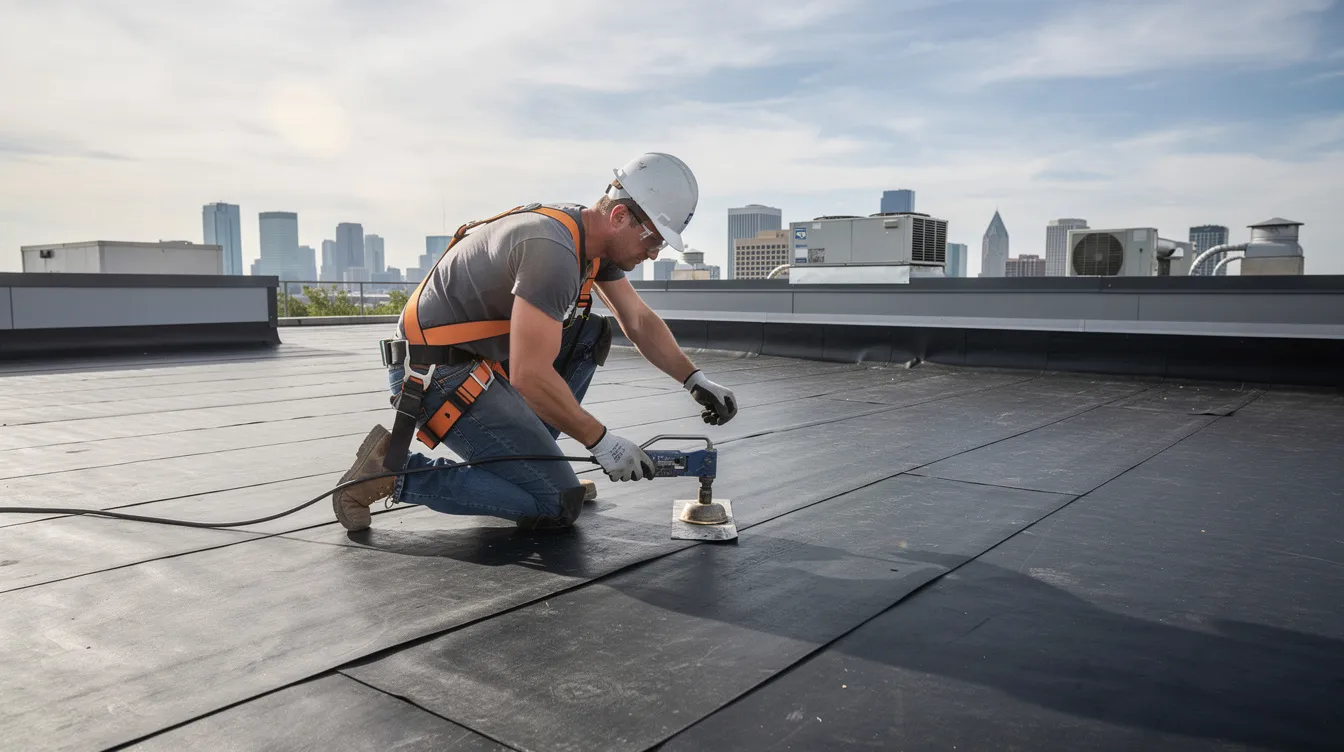
Conclusion: Why a Rubber Roof Is a Strong Choice in Ireland
Rubber roofing, particularly EPDM, offers Irish property owners a genuinely long-lasting, reliable, and low maintenance solution for flat roofs and low slope roofs. From residential extensions in Dublin suburbs to commercial buildings in provincial towns, this proven roofing system delivers the weather resistance and durability that Ireland’s climate demands.
The key reasons to install a rubber roof in Ireland are clear: excellent resistance to rain and wind, a lifespan that can exceed 30–50 years, compatibility with modern insulation standards, and suitability across residential, rental, and commercial properties. The material resists UV rays, extreme weather conditions, and biological growth while requiring only periodic professional inspections to maintain its protective qualities.
Success depends entirely on professional design and installation that account for Irish building regulations and local weather conditions. Property owners experiencing recurring leaks, visible deterioration, or repeated patch repairs on existing flat roofs should speak with a qualified Irish roofing contractor about whether a rubber roof is the right upgrade.
A well-specified rubber roofing system represents a practical investment in the long-term protection and comfort of homes and buildings across Ireland—one that can serve reliably for decades to come.
Frequently Asked Questions About Rubber Roofing in Ireland
These questions address common concerns not fully covered in the main article, specifically within the Irish context. Answers are general in nature—readers should seek property-specific advice from a professional roofer in their area.
How long will a rubber roof realistically last in Ireland’s climate?
When installed and maintained by professionals, EPDM rubber roofs in Ireland commonly achieve service lives of 30–50 years, even under frequent rain and strong winds. Many roofs installed in the 1970s remain in service today.
Actual lifespan depends on design quality, substrate condition, exposure level (coastal versus sheltered inland sites), and regular maintenance. Ask your chosen contractor what service life the specific system they propose has demonstrated in climates similar to Ireland’s.
Will a rubber roof make my home colder or hotter?
The membrane itself is only one factor—the main influence on indoor temperatures is the level and type of insulation installed beneath or above the roof deck. A well-designed rubber roofing system typically helps maintain more stable indoor temperatures by reducing heat loss through the flat roof.
Membrane colour and reflectivity can be chosen to suit your building’s orientation and use, but this should be discussed with your professional designer or roofer during the specification process.
Can I install solar panels or a green roof over an EPDM membrane?
Many EPDM systems are compatible with solar mounting solutions and simple green roof build-ups when designed correctly. However, this must be confirmed with both your roofing contractor and the solar or landscaping specialists.
The roof structure must be assessed to ensure it can safely carry additional loads, especially on older Irish buildings.
How can I tell if my existing flat roof should be replaced with rubber?
Common warning signs that indicate replacement may be needed include: recurring leaks despite repairs, visible blisters or cracks in the roof surface, soft spots when walking on the deck, staining on interior ceilings, and repeated temporary patch repairs that never fully resolve issues.
Arrange a professional roof inspection to assess the true condition of the existing membrane and deck rather than relying solely on visible surface clues. The inspector can advise whether a rubber roof would be suitable for your specific roof’s condition and the property’s structural integrity.
Is a rubber roof noisy during heavy rain or storms?
On most insulated flat roofs in Ireland, noise from rain on a rubber membrane is typically modest and often less noticeable than on metal roofs or poorly insulated coverings. The combination of insulation, deck material, and ceiling construction has a greater impact on perceived noise than the membrane alone.
If you’re particularly sensitive to noise, discuss build-up options with your contractor, who can advise on ways to optimise acoustic performance for your specific situation.
Other Roofing Services in Ireland
DKM Roofing offers a comprehensive range of professional roofing and related services across Ireland, tailored to both residential and commercial properties. Whether you require urgent assistance or planned maintenance, our team is ready to help.
Our services include:
- Emergency roofing services: Fast response solutions for storm damage, leaks, and urgent roof issues to protect your property when you need it most
- Chimney repairs: Professional chimney repair and maintenance services to prevent leaks, structural issues, and deterioration over time
- Asbestos removals: Safe and compliant asbestos removal services carried out by trained specialists, ensuring full legal and safety standards are met.
- Dry verge: Modern dry verge systems that improve roofline protection, reduce maintenance, and enhance durability compared to traditional mortar.