Table of Contents
Key Takeaways
- Any visible flue liner cracks, missing tiles, or rusted metal sections indicate your chimney flue needs prompt repair before the next burning season.
- Smoke entering rooms, strong soot smells, or carbon monoxide alarm activations while the appliance is running are urgent red-flag warning signs requiring immediate attention.
- Water stains around the chimney, damp fireboxes, or musty odours often point to a failed flue or related components that must be inspected professionally.
- Homeowners should arrange a full flue inspection at least once a year, and always after chimney fires, storm damage, or major heating system upgrades.
- Delaying flue repairs can lead to chimney fires, CO poisoning, and costly repairs to walls, roofs, and ceilings that far exceed the cost of timely maintenance.
Why Your Chimney Flue Can’t Be Ignored
The chimney flue is the internal passage that safely carries smoke, fumes, and carbon monoxide from your fireplace, stove, or boiler out of the property. It might be hidden inside your chimney structure, but it performs one of the most critical functions in any home with a heating appliance connected to a chimney system.
In most Irish homes, this flue is either a clay tile liner, a concrete or pumice sectional liner, or a modern stainless-steel system installed inside the existing chimney stack. Each type has its own lifespan and failure modes, but all share the same core requirement: the flue must remain continuous, gas-tight, and heat-resistant to protect your home’s safety.
A sound flue system is required not just for safety but also for insurance compliance and to meet local building regulations. This article will walk you through specific visible signs, performance symptoms, and timeframes that indicate your chimney flue needs repair or relining—not just routine sweeping. Understanding these triggers can help you catch problems early, avoid fire hazards, and prevent the kind of structural damage that turns a straightforward repair into a major building project.
Immediate Red-Flag Signs Your Chimney Flue Needs Repair
Some symptoms require the chimney to be shut down and inspected before you light another fire. These are not issues to monitor over the next few months—they demand immediate attention.
Clear red flags include:
- Visible smoke entering rooms when the fire or stove is operating
- CO alarm sounding or showing elevated readings when the heating appliance is running
- Strong exhaust smells or creosote odours filling the living space
- Flames or sparks visible inside the chimney itself (a classic sign of a chimney fire in progress)
Physical signs you might spot during or after use:
- Chunks of clay liner or mortar collecting in the firebox (known as shaling)
- Loud cracking, popping, or rumbling sounds during a fire, which may indicate a chimney fire
- Scorch marks or brown smoke stains around the fireplace opening
After any suspected chimney fire—even if the fire brigade was not called—a full professional chimney inspection with CCTV should be arranged before relighting the appliance. The intense heat of a chimney fire can shatter flue tiles, warp metal liners, and open mortar joints that were previously sound.
If a CO alarm activates or occupants feel dizzy, nauseous, or develop headaches around a working fire, switch the appliance off immediately, open windows and doors to ventilate, leave the area, and call a qualified professional. Carbon monoxide is colourless and odourless, making it impossible to detect without an alarm.
Visible Damage Inside or Around the Flue
Many chimney problems show up as visible damage on the liner itself, inside the firebox, or on the external chimney stack. These signs often indicate that more serious issues exist deeper within the flue system.
Clay and ceramic liner damage:
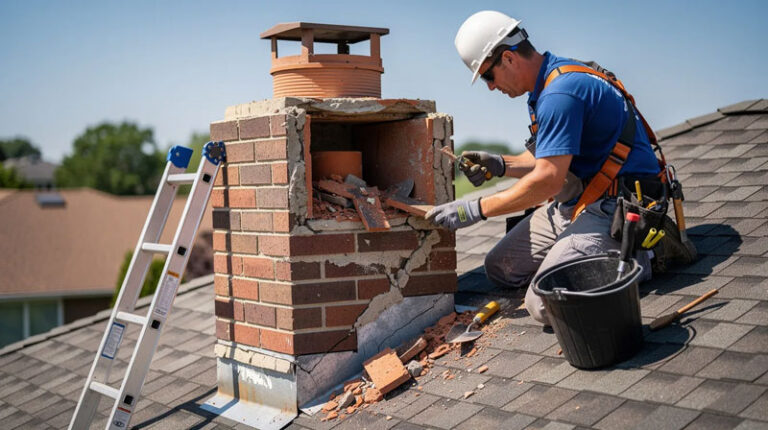
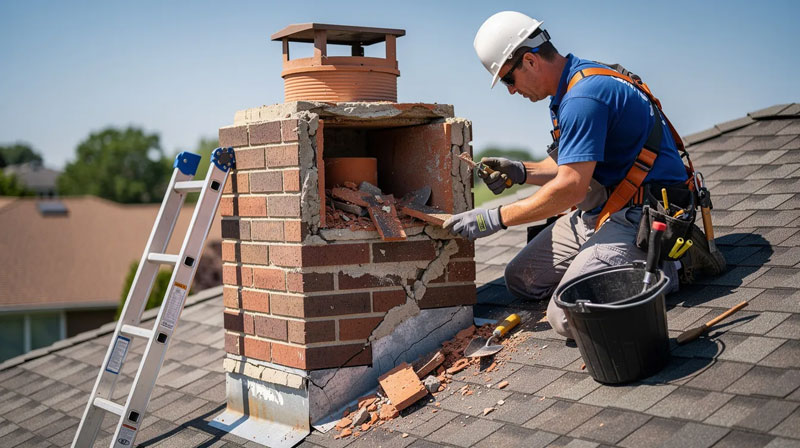
Cracked, separated, or missing clay flue tiles are common in chimneys built between the 1960s and 1990s. On a CCTV inspection, damaged tiles may appear jagged, displaced, or with dark gaps where mortar joints have failed. In the fireplace, you might find thin slices of tile (shaling) or larger fragments that have fallen from the flue above. This is a serious condition that can result in a house fire if not resolved.
Stainless-steel liner issues:
Rust streaks, pinholes, bulging, or warping on stainless-steel liners, connectors, or flexible flue pipes indicate prolonged condensation and acidic soot attack. Even a rusted damper or firebox component is a red flag that moisture is present in the chimney—and where there is rust, there may already be a damaged flue liner behind it.
Masonry warning signs:
The external chimney structure often reveals internal problems:
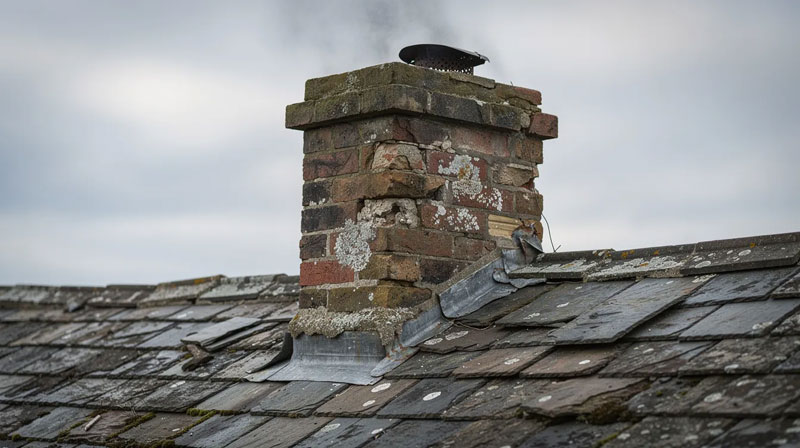
- Spalling bricks: Freeze-thaw damage from trapped moisture
- Crumbling mortar joints: Water infiltration pathway into the flue
- Cracked crown: Rain entering directly into the chimney top
- White stains (efflorescence): Chronic moisture absorption through masonry
Professional CCTV inspection from the appliance to the chimney pot is the gold standard for confirming the extent and location of flue damage. Many 1970s-era clay-lined chimneys now show significant tile separation and joint failure after decades of use, and a camera survey is the only way to see exactly what condition the liner is in.
Performance Problems: When Your Chimney Stops Drawing Properly
A failing or blocked flue often reveals itself through poor fireplace or stove performance rather than obvious cracks. If your fires seem harder to manage than they used to be, the flue may be the culprit.
Common performance symptoms:
- Difficulty lighting fires, or fires that repeatedly go out
- Smoke “rolling” into the room on start-up and not clearing
- Fires that smoulder rather than burn cleanly, producing excessive soot and creosote buildup
- Cold air coming down the chimney when the fire is not in use
These issues relate directly to draft efficiency—the flue’s ability to pull combustion gases upward and out of the property. When temperatures rise inside the flue, hot gases should naturally rise and draw fresh air into the appliance. A damaged, undersized, or oversized flue disrupts this process.
Additional indicators:
- Repeated glass blackening on stoves despite using dry, seasoned wood
- Heavy tar deposits requiring frequent sweeping
- Rooms that stay chilly despite the fire running, suggesting heat is not being transferred efficiently
Modern high-efficiency stoves installed on old, unlined chimneys regularly require a new stainless-steel chimney liner to perform correctly. The large cross-section of an old masonry flue allows gases to cool before exiting, reducing draft and increasing condensation. A correctly sized flue liner solves both problems.
Water, Moisture, and Odour Damage in the Flue
Water entry and condensation are among the most destructive forces acting on chimney systems. Left unchecked, moisture damage can compromise the entire chimney structure and create health concerns from mold growth.
Water penetrating the flue system comes from several sources: missing or damaged chimney caps, a cracked crown, defective lead flashing where the chimney meets the roof, or simply porous masonry absorbing rain. Inside the chimney, condensate forms when cool flue gases meet cold masonry—a particular problem with modern efficient appliances that produce lower-temperature exhaust.
Warning signs on the building interior:
Brown or yellow water stains on ceilings or walls around the chimney breast are clear indicators of water infiltration. You may also notice peeling wallpaper, damp patches in upstairs rooms where the chimney passes through unheated loft spaces, or actual puddles in the firebox after rain.
Internal signs within the fireplace:
Musty or sour odours from the fireplace when not in use suggest damp soot and possible mold growth. Rusted dampers, firebox components, and damp soot in the hearth all point to chronic moisture problems. Healthy soot should be dry and powdery—if it clumps or feels damp, water is getting in.
The mechanism of damage is progressive: rain and condensate mix with soot and combustion residues, forming acidic slurry. This eats away at clay joints and mortar, corrodes metal liners, and promotes freeze-thaw spalling in masonry. Over time, what starts as a small leak can wreak havoc on both the flue and surrounding building fabric, eventually requiring full relining plus internal repairs.
Health and Safety Triggers: CO, Smoke, and Fire Risk
The primary purpose of a chimney flue is to safeguard occupants from smoke and carbon monoxide exposure. Every time you light a fire, the flue works to contain combustion products and direct them safely out of the property.
Ensuring your flue is in good condition is essential, and when issues arise, consulting experts for professional chimney repairs in Ireland helps maintain safety and compliance with local building regulations.
A cracked liner or missing tiles can allow hot gases and sparks into voids behind walls, raising the risk of chimney fires. Many house fires start in roof spaces or hidden cavities where timber framing contacts a compromised chimney exterior. The flue liner plays a critical role in keeping combustible materials separated from the intense heat of burning fuel.
Carbon monoxide presents a different but equally serious danger. Because it is colourless and odourless, occupants have no direct warning of exposure. Even small flue leaks—hairline cracks or failed mortar joints—can gradually build indoor CO levels, particularly in airtight modern homes with reduced natural ventilation. Bedrooms adjacent to or above chimneys are especially vulnerable, as CO can migrate through wall cavities and cracks.
Essential safety measures:
- Every property with an open fire, stove, or fuel-burning boiler connected to a chimney should have CO alarms installed and tested regularly
- Alarms should be located in the same room as the appliance and in sleeping areas
- If CO readings spike or alarms sound during appliance use, treat the flue as compromised until professionally tested
If you or your family experience frequent headaches, dizziness, or nausea when the fire is running, take these symptoms seriously. They may indicate CO exposure from a failing flue system.
Routine Milestones: When to Inspect vs. When to Repair
Not every chimney inspection leads directly to repair. However, certain milestones strongly suggest the flue should be upgraded or relined rather than simply swept and monitored.
Typical triggers for deeper assessment:
Situation and Recommended Actions:
- Purchasing an older property with no recent chimney report: Arrange a full CCTV flue survey before using any appliance to ensure safety and identify any hidden issues.
- Converting an open fire to a sealed stove: Assess the flue size and condition; relining is often required to accommodate the new appliance safely.
- Switching fuel type (e.g., coal to wood, gas to wood): Check the liner’s suitability for the new fuel chemistry to prevent damage and ensure proper draft.
- After severe storms, lightning strikes, or earthquake activity: Inspect the chimney for displacement, cracks, or structural issues that may compromise safety.
- New appliance installation: Verify that the flue meets manufacturer specifications to ensure efficient and safe operation.
Time-based recommendations:
For regularly used systems, arrange a full chimney inspection at least once a year—ideally after the main heating season ends. This allows any repairs to be completed before the next winter. Light-use or decorative fireplaces may be checked every one to two years, but any change in odour, staining, or performance should prompt an immediate inspection.
If inspections repeatedly show cracking, heavy tar build-up, or persistent dampness despite cleaning, repair or relining becomes more cost effective than repeated short-term fixes. Any flue installed before the 1980s that has seen heavy, long-term use may be nearing the end of its safe service life and should be evaluated for relining.
Common Chimney Flue Repairs and What to Expect
After a professional inspection, homeowners are typically offered one of several repair options depending on the extent of damage discovered.
Spot repairs:
- Sealing small cracks with refractory mortar or ceramic sealants (limited to minor, accessible damage)
- Replacing isolated clay tiles where damage is very localised near the top or bottom of the flue
- Patching small stainless-steel surface defects where permitted by codes
However, spot repairs have limitations. Building regulations and professional guidelines are cautious about relying on patching alone because the flue must be continuous and gas-tight throughout its entire length.
Full relining options:
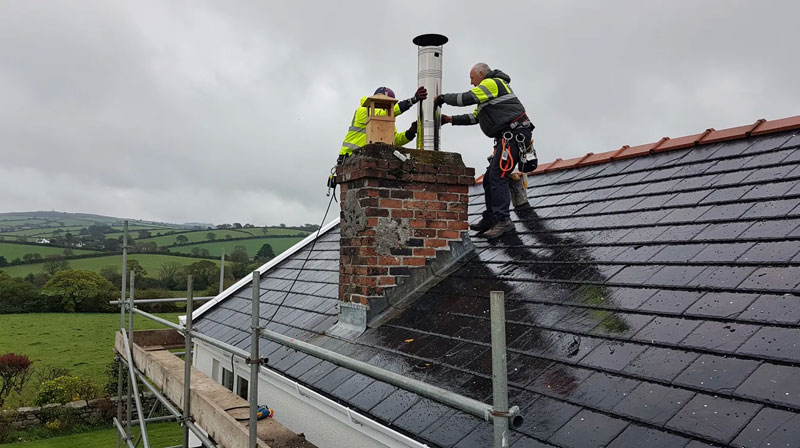
- Installing a continuous stainless-steel liner (flexible or rigid) sized correctly to the appliance
- Cast-in-place or resin-based systems that create a new monolithic liner inside severely damaged or irregular chimneys
- Insulating the liner within the chimney to keep gases warm and reduce condensation
Many domestic relining projects can be completed within one to three days, depending on chimney height, access, and ancillary work required.
Ancillary repairs often needed:
- New chimney caps and bird guards to prevent debris and water entry
- Crown rebuilding to create a waterproof top surface
- Repointing masonry joints to restore the chimney’s weather resistance
- Flashing repairs where the chimney meets the roof
A new flue liner combined with proper cap and crown work addresses both the immediate safety concern and the underlying moisture issues that caused the original damage.
The Cost of Delaying Chimney Flue Repairs
Postponing flue work usually increases both safety risk and eventual repair cost. What starts as a contained relining job can escalate into a major building project if problems are ignored.
Escalating scenarios:
A cracked liner left untreated allows creosote buildup in damaged areas. When an intense fire eventually ignites that creosote, the weakened liner fails catastrophically, transmitting heat to adjacent timber framing. The result: a chimney fire that requires complete chimney rebuild, roof repairs, and interior remediation—costs that dwarf the original relining price.
Similarly, water damage from a failed crown or cap soaks masonry and surrounding building fabric. Over years, this becomes efflorescence on external brickwork, internal stains, rotting timber trusses and joists, and mold growth requiring specialist treatment.
Insurance and regulatory consequences:
Insurance claims after chimney fires or CO incidents often require evidence of regular fireplace maintenance. Failure to act on known defects may affect claim outcomes. For landlords, neglecting flue repairs could breach statutory duties under housing and health-and-safety regulations.
Secondary financial impacts:
- Higher fuel consumption from poor draft efficiency
- More frequent sweeping due to accelerated creosote and soot buildup
- Premature appliance wear as condensate and soot attack stove internals
Treat flue repairs as a long-term investment in safety, energy efficiency, and the fabric of your building—similar to re-roofing. The upfront cost protects far greater downstream value.
How a Professional Flue Inspection Works
Understanding what to expect when you book a professional chimney inspection helps you evaluate the service you receive and ask informed questions.
Typical inspection steps:
- External visual check – The chimney specialist examines the stack, bricks, mortar joints, crown, pot, cap, and flashing for cracks, spalling bricks, lean, efflorescence, and vegetation growth.
- Internal firebox and appliance inspection – The firebox is checked for cracks, gaps, rust, or signs of overheating. Damper operation is tested, and appliance connections are examined for rust, deformation, or loose joints.
- CCTV flue survey – A camera is inserted from either the top or bottom, scanning all the way from appliance connection to terminal. This identifies cracks, missing tiles, separated joints, obstructions, and tar buildup.
Diagnostic tools that may be used:
Tools used during a professional chimney inspection include:
- Smoke testing: This identifies leaks at accessible points or in adjacent rooms to ensure the flue system is properly sealed.
- Pressure and draft tests: These measure the pulling power of the flue and help detect any blockages or issues related to incorrect flue sizing.
- Moisture meters: Used to check for dampness in the chimney breast and adjacent walls, helping to identify moisture damage that could compromise the chimney’s masonry and overall structure.
After inspection, you should receive a written report summarising the condition of the flue and chimney structure, with photos or video stills as evidence. The report should include a risk assessment and recommended actions—whether that is annual sweeping, specific repairs, or full relining.
Use certified, experienced chimney specialists who follow current Irish standards. Look for HETAS registration (solid fuel), Gas Safe Register (gas appliances), or membership of professional bodies like the National Association of Chimney Sweeps. Their expertise and unparalleled expertise in flue systems ensures your chimney is inspected to current standards and that any work carried out will satisfy building control and insurers.
Contact Professional Chimney Experts in Ireland
If you notice any warning signs in your chimney flue—such as smoke entering your home, unusual odours, or visible damage—it’s important to consult a professional. Expert chimney specialists across Ireland can carry out thorough inspections, recommend the right repairs or relining solutions, and ensure your home remains safe and compliant with local building regulations.
FAQ
How often should a chimney flue be inspected if I use my fireplace every winter?
For regularly used open fires, stoves, or solid fuel heating systems, a full inspection should be carried out at least once a year, ideally in late spring or summer after the main heating season. This timing allows any necessary repairs to be completed before cold weather returns.
Light-use or decorative fireplaces may be inspected every one to two years, but any change in performance, new odours, or visible signs of damage warrants an immediate check. Gas appliances connected to chimneys should also have annual servicing that includes a flue assessment, as condensation and corrosion remain concerns even without significant soot production.
Is relining always necessary if my home has an older chimney?
Age alone does not automatically mean a flue must be relined, but older unlined or clay-lined chimneys are statistically more likely to have hidden damage and to be oversized for modern, efficient stoves. Decisions should be based on a professional CCTV survey, the type of appliance installed, the fuel used, and current safety standards.
When installing a modern stove into a 40–50-year-old chimney, relining is often recommended for safety, performance, and regulatory compliance. The existing chimney may function as a decorative architectural feature, but its internal condition determines whether it can safely serve a new appliance.
How long does a new stainless-steel chimney liner typically last?
Quality stainless-steel liners, correctly sized and installed, often last 15 to 25 years or more when used with proper fuel and maintained with regular sweeping. Burning seasoned wood, avoiding wet fuel or household rubbish, and keeping the flue clean all extend liner life.
Burning wet wood, rubbish, or coal with high sulfur content shortens liner lifespan by increasing corrosion and tar buildup. Annual inspections help you track liner condition and catch early signs of wear before they become a significant decision about replacement.
Do I need to stop using my appliance while waiting for flue repairs?
If there is any indication of flue leakage, CO problems, or structural cracking, the appliance should be shut down until repairs are complete. For minor, non-safety-critical defects such as early external brick weathering that does not affect the liner’s structural integrity, a professional may allow limited use with written conditions—but this judgement must come from a competent person, not the homeowner. When in doubt, do not use the fire or stove. The risk of CO exposure, a leaning chimney, or a house fire is simply too great to take chances with a compromised flue.
Discover Other Professional Home Improvement Services
While ensuring your chimney flue is safe and fully operational is essential, there are several other services that can help maintain and improve your home’s overall structure and roof performance. For instance, engaging experienced roofers in Ireland can ensure your roof is properly maintained, repaired, or replaced, preventing leaks and extending its lifespan.
If your property requires careful handling of hazardous materials, professional asbestos removal services provide safe and compliant solutions to protect both your home and family. Additionally, for flat or low-pitched roofs, specialised fibreglass and rubber roofing installations offer durable, long-lasting protection against water ingress and extreme weather conditions.
Exploring these complementary services alongside essential chimney care can help keep your home safe, energy-efficient, and in excellent condition throughout Ireland.