Table of Contents
Key Takeaways
- Regular gutter maintenance is essential in Ireland’s wet, windy climate to prevent water damage to roofs, walls, and foundations, particularly given annual rainfall exceeding 1,000 mm in western counties.
- Blocked gutters are a leading hidden cause of damp, mould, and structural issues in Irish homes, especially from October to March when over 60% of annual rainfall occurs.
- Consistent, professional gutter care extends the lifespan of roofs, gutters, and exterior finishes, protecting long-term property value and saving homeowners from costly repairs.
- Regular cleaning also protects gardens and driveways from erosion and staining, while reducing pest and bird nesting problems common in Ireland’s humid conditions.
- Scheduled maintenance gives homeowners peace of mind during heavy Atlantic storms and winter weather, reducing emergency call-outs and stress during severe weather warnings.

1. Preventing Water Damage to Roofs, Walls, and Foundations
Uncontrolled rainwater is one of the most common sources of home damage in Ireland, causing everything from unsightly stains to serious structural issues. Understanding how water flows through and around your property reveals why gutter maintenance matters so much.
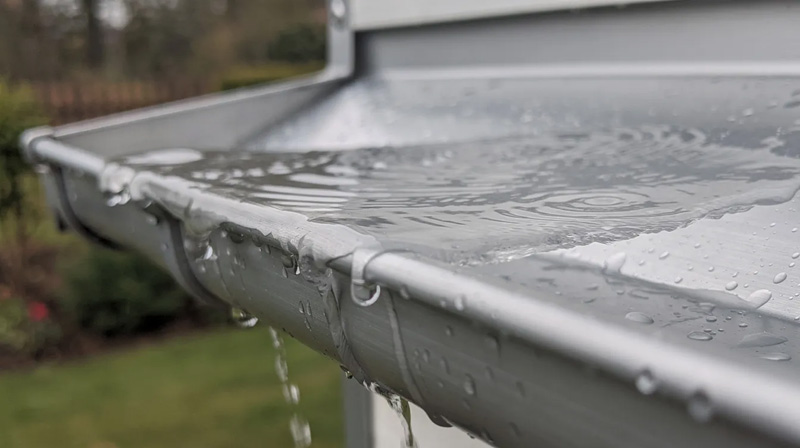
When clogged gutters prevent proper drainage, water begins to overflow back onto roof edges. This excess water soaks fascia boards—typically timber or uPVC in Irish homes—and seeps beneath slates or tiles. Over time, clogged gutters can cause water to overflow and seep into roof cavities, fascia boards, and interior walls, leading to rotting timber structures and expensive repairs.
Regular gutter maintenance helps to ensure that water is directed away from the foundation, preventing soil erosion and maintaining foundation stability. When gutters are clear, they effectively channel rainwater away from the base of the home, reducing the risk of foundation damage over time.
2. Reducing Damp, Condensation, and Mould Inside the Home
External gutter problems have a direct impact on internal comfort and health in Irish homes. The connection between what happens on your roof and how your living spaces feel is stronger than many homeowners realise.
Ireland’s climate presents unique challenges, with average relative humidity running between 80-90% year-round. Any extra moisture from leaking or overflowing gutters worsens an already humid environment. Prolonged moisture against exterior walls can penetrate cavity or solid walls—particularly common in pre-1980s Irish housing stock lacking modern vapour barriers—producing cold spots, damp patches, and musty odours in rooms.
3. Protecting Irish Roofs and Extending Their Lifespan
Irish roofs feature distinctive materials that require proper gutter function to achieve their full lifespan. Natural slate—enduring 60-100 years on many period homes—along with concrete tiles and fibre cement sheets, all rely on gutters to prevent standing water ingress under the first course of roofing material.
Issues with roof drainage can also impact other critical elements such as chimney structures, and understanding when to repair a chimney flue becomes essential in preventing deeper structural problems linked to prolonged moisture exposure.
When gutters overflow, standing water can creep beneath slates or tiles, soaking felt underlay and battens. This accelerates fungal decay in roof timbers, a process intensified by Ireland’s persistent humidity where moisture doesn’t dry quickly. Regular gutter cleaning prevents ice dams during colder periods in Ireland, which can cause severe roof damage due to heavy ice accumulation—relevant during Irish cold snaps in December through February when temperatures can dip to -5°C.
- During these colder periods, trapped water in blocked gutters can freeze. With ice expansion adding 9% volume increase, this stresses fixings, hangers, and joints, potentially causing slate slips and bracket failures.
- Keeping gutters clear reduces standing water at the roofline, which helps to extend the life of the roof by preventing moisture-related issues.
Overflowing gutters also damage fascia and soffit boards, encouraging moss and algae growth along eaves. This compromises soffit vent airflow critical for attic ventilation—poor ventilation contributes to 25% of domestic insurance claims for rot-related damage in Ireland.
Clean gutters add an estimated 3-5 years to roof life by:
- Preventing shingle-edge aging
- Maintaining proper attic ventilation
- Reducing moss and algae accumulation at eaves
- Protecting fascia and soffit integrity
Regular cleaning of gutters prevents rust and corrosion, which can significantly reduce the lifespan of the gutters themselves. This protection extends to the entire roof system, delaying the need for major repairs or gutter replacement.
For flat or low-pitch roofs, particularly common in extensions and garages across Ireland, many homeowners also explore why install a rubber roof as a durable solution that works effectively alongside well-maintained drainage systems.
4. Preserving Exterior Finishes, Paths, and Landscaping
Gutter health directly impacts the appearance and long-term condition of external finishes and gardens around Irish homes. The visual and functional damage from water overflow extends well beyond the gutters themselves.
Maintaining clean gutters can preserve landscaping by preventing soil erosion and protecting plants, which contributes to the overall curb appeal of your home. By directing water to proper drainage outlets, homeowners protect:
The following outlines the protection benefits gutters provide to various areas around your home:
- Rendered walls: Prevent algae staining and paint damage
- Brick facades: Stop efflorescence and mortar erosion
- Concrete paths: Reduce lichen growth and surface erosion
- Driveways: Prevent water pooling and freeze damage
- Flowerbeds: Stop soil washout and root exposure
- Lawns: Prevent gully formation and waterlogging
Clean gutters prevent potential damage caused by debris accumulation, such as rust and gutter deterioration, which can improve the aesthetic appearance of your property.
5. Minimising Pest, Bird, and Insect Problems
Gutters filled with leaves, moss, and stagnant water create an attractive environment for various pests common in Ireland. This often-overlooked consequence of neglected gutters can lead to significant problems throughout your home.
Stagnant water in blocked gutters attracts insects such as midges (Ceratopogonidae) and mosquitoes (Culex pipiens), which become particularly active from May through September. This standing water provides an ideal environment for breeding, with clogged gutters becoming an attractive nesting ground for pests such as mosquitoes and rodents, as stagnant water provides a breeding ground for insects and debris offers shelter.
- Birds including starlings, crows, and pigeons frequently use dense gutter debris as nesting material. This creates a compounding problem—nests further block water flow and can dislodge gutter sections under the added weight. These unwanted guests cause additional damage and attract secondary pests.
Wet, decaying organic matter in gutters also attracts insects that may migrate into loft spaces or under roof tiles. Regular gutter maintenance eliminates stagnant water and debris, which are key factors in preventing pest infestations around the home. Professional clearing can reduce nesting activity by 70-80% in maintained systems.
Keeping gutters clean and free from blockages can significantly reduce the risk of pest infestations by removing potential habitats for insects and rodents. This proactive measure protects not just your outdoor space but your entire home from unwanted infestations.
6. Enhancing Kerb Appeal and Property Value in Ireland
Regular gutter maintenance enhances the overall appearance of your home, significantly improving its curb appeal. Clean, straight, and functional gutters complement fresh paintwork, tidy roofs, and well-kept gardens, contributing to a cared-for appearance that enhances property value.
The financial impact extends beyond aesthetics:
- Properties with drainage issues can see values depressed by 5-10%
- Survey findings related to damp and drainage often prompt follow-up inspections
- Buyers increasingly scrutinise maintenance history before making offers
- Rental properties with visible maintenance issues attract lower-quality tenants
Regular gutter maintenance significantly extends the lifespan of gutters, saving homeowners the cost of premature replacements. Neglecting gutter maintenance can lead to significant repair costs that far exceed the cost of regular cleaning. By investing in ongoing gutter care, homeowners support the long-term value of their property and are better prepared when they decide to sell or let.
7. Avoiding Disruption and Stress During Heavy Irish Weather
Ireland has experienced increasingly intense rainfall events and winter storms in recent years, with Met Éireann issuing 10-20 orange or red warnings annually between autumn and early spring. Preparing your gutters before these events makes a significant difference.
During major storms, neglected gutters fail in predictable ways. Common scenarios include:
- Water pouring over doorways and into entrance halls
- Saturated driveways becoming impassable or dangerous
- Valley gutters backing up onto roofs, causing internal leaks
- Blocked downpipes forcing water under eaves
8. How Often Should Gutters Be Cleaned in Ireland?
Cleaning frequency depends on local conditions including surrounding trees, coastal exposure, and roof type. Understanding your property’s specific requirements helps establish an effective schedule.
For most Irish homes, professional gutter cleaning services recommend at least twice-yearly visits:
- Timing of Gutter Maintenance in Ireland
Regular gutter maintenance is essential throughout the year to keep your system functioning properly. Key times to schedule professional cleaning and inspections include:
- Late Autumn (November): This is essential for clearing fallen leaves and preparing gutters for the winter storms common in Ireland.
- Spring (April-May): Another essential period to remove winter debris and moss accumulation, ensuring gutters are ready for the summer months.
- Mid-Winter: Particularly important for homes near trees, this timing allows checks after severe storms to address any damage or blockages.
- Late Summer: For properties in heavily wooded areas, this pre-autumn maintenance helps manage the buildup of leaves and organic debris before the main leaf fall.
By aligning gutter maintenance with these seasonal windows, homeowners can effectively protect their properties from water damage and other issues caused by clogged gutters.
Properties near mature trees—particularly oak, beech, and pine common in counties like Wicklow and Cork—may require additional checks mid-winter and late summer. Coastal homes exposed to Atlantic or Irish Sea winds experience extra wind-blown debris and salt buildup, making regular inspection particularly important.
Watch for visible signs during heavy rain that suggest immediate attention is needed:
- Water spilling over the front of gutters rather than flowing freely through downpipes
- Sagging sections that indicate debris accumulation
- Debris removal backing up at downpipe entries
- Plants sprouting from gutter lines
These indicators should prompt arrangement of a professional inspection to ensure your gutters regularly receive the attention they need.
9. The Role of Professional Gutter Maintenance Services in Ireland
While gutters might seem simple, keeping them safe and effective in Ireland’s climate benefits from professional attention. The complexity of safe access and thorough inspection makes professional gutter cleaning services valuable for most homeowners.
Professional teams bring appropriate access equipment, fall-arrest knowledge, and techniques required for working at height on typical Irish house types, from two-storey terraced homes to rural detached properties. This expertise eliminates the health risks associated with climbing ladders and working at height.
An experienced technician provides more than simple debris removal. A comprehensive service includes:
- Checking gutter alignment and pitch (typically 1:600 fall for proper flow)
- Inspecting loose brackets and fixing integrity
- Examining joint seals for cracks or separation
- Clearing downpipes of compacted material
- Assessing fascia board condition
During a visit, professionals can identify early signs of related issues such as fascia damage, slipped slates near the eaves, or staining indicating hidden roof leaks. This early detection prevents expensive repairs down the line.
10. Common Gutter Problems in Irish Homes
Many gutter issues develop slowly and go unnoticed until a heavy downpour or inspection reveals them. Understanding common problems helps homeowners recognise when professional attention is needed.
Typical problems encountered in Irish properties:
- Sagging gutters: Long-term debris weight (20-50 kg per 10m run) stretches hangers and distorts profiles
- Dripping joints: Seal failure between sections allows constant moisture seepage
- Blocked downpipes: Compacted leaves create solid plugs that prevent water flows
- Detachment: Gutters pulling away from fascia boards due to rot or fixing failure
- Overflow at corners: Indicates incorrect falls or localised blockages
11. Environmental and Community Benefits of Effective Gutter Drainage
Good drainage connects to wider environmental considerations in Irish towns and rural communities. The benefits of regular gutter maintenance extend beyond individual properties.
Gutters that channel water properly into drains, soakaways, or rainwater collection systems help reduce localised surface flooding after intense showers.
In built-up areas, properly maintained guttering and downpipes lessen the flow of dirty runoff across pavements and onto neighbouring properties. This proper maintenance consideration matters for:
- Shared access routes in housing estates
- Properties with sloped driveways affecting neighbours
- Terraced homes with connected drainage systems
- Apartment blocks with shared gutter infrastructure
Well-drained boundaries decrease the chance of disputes with neighbours about water entering adjoining gardens, driveways, or shared paths. Maintaining clean gutters helps ensure that water flows away from the foundation of the home, significantly reducing the risk of basement flooding while also protecting neighbouring properties.
Clean, well-functioning gutters reduce the likelihood of pollutants and organic debris being washed directly into local streams and rivers during storms. This supports Water Framework Directive goals and contributes to healthier local waterways—preventing erosion and protecting Ireland’s natural environment.
12. Planning a Gutter Maintenance Schedule for Your Irish Home
Treating gutter care as a recurring, planned part of home ownership rather than a one-off task delivers the greatest long-term benefits. A simple annual schedule keeps your property protected year-round.
Recommended annual schedule:
To help you plan gutter maintenance effectively, here is a recommended schedule based on the seasons in Ireland:
- Spring (March-May): Arrange a professional cleaning and inspection to clear winter debris and check for any damage caused during the colder months.
- Summer (June-August): Conduct a visual inspection to note any issues such as sagging gutters or blockages that may have developed.
- Autumn (October-November): Schedule a professional clean after the main leaf fall to prepare gutters for the wet winter season.
- Winter (December-February): Perform post-storm checks as needed to address any damage or blockages caused by severe weather.
Following this seasonal approach ensures your gutters remain clear and functional throughout the year, helping to protect your home from water damage and related problems.
Consider tying gutter checks to other seasonal tasks Irish homeowners already recognise:
- Autumn: Schedule alongside boiler servicing before heating season
- Spring: Combine with garden tidy-ups and exterior painting preparation
- Post-storms: Note any overflow after Met Éireann orange or red warnings
Clogged gutters are a leading cause of basement flooding, as they prevent water from being properly diverted away from the home. Regular gutter maintenance is essential to prevent water overflow, which can lead to water seeping into the basement and causing extensive damage.
Frequently Asked Questions About Gutter Maintenance in Ireland
How can I tell if my gutters need to be cleaned?
Several warning signs indicate your gutters require professional attention. During and after rain, watch for water spilling over the front of gutters rather than properly directed through downpipes—this is the most obvious indicator of blockages. Visible sagging along gutter runs suggests debris accumulation adding significant weight, while plants or grass sprouting from the gutter line confirms organic matter has been present long enough to support growth.
Inside your home, watch for new damp patches near ceilings or upper corners of external walls, which may indicate overflowing gutters or blocked downpipes directing water into the building structure. Externally, staining on walls beneath gutter runs or constant dripping from joints long after rain has stopped suggests blockages or joint failures requiring attention. Any of these signs warrant arranging a professional inspection before minor issues become expensive repairs.
Do gutters still need regular maintenance if there are no trees nearby?
Even homes without overhanging trees in Irish estates still require regular attention. Moss growing on roofs—common with Irish slate—breaks away and accumulates in gutters. Roof grit from deteriorating tiles adds to debris buildup, while wind-blown material during storms deposits leaves and organic matter from considerable distances.
Coastal properties face particular challenges, with salt-laden Atlantic winds carrying fine particles that combine with moisture to create sludge. Urban homes contend with pollution deposits and general atmospheric debris. While cleaning frequency might be slightly reduced compared to heavily wooded locations—perhaps annually rather than twice yearly—periodic professional cleaning and inspection remains necessary. No Irish home is truly exempt from gutter maintenance requirements.
Are certain parts of Ireland more at risk of gutter problems?
Geographic location significantly influences gutter maintenance needs across Ireland. Western and north-western counties exposed to the Atlantic—Kerry, Clare, Galway, Mayo, and Donegal—experience higher rainfall and more intense storms, placing greater stress on gutter systems. Properties in these areas benefit from more frequent inspections and gutter guards where appropriate.
Rural homes surrounded by mature trees in counties like Wicklow, Cork, and Tipperary face heavier leaf and debris loads during autumn, often requiring additional autumn and winter attention. Dense urban areas including Dublin, Limerick, and Cork city may experience more issues related to wind-blown litter, pollution deposits, and limited drainage capacity. Understanding your location’s specific challenges helps determine appropriate maintenance frequency.
What materials are most common for gutters in Ireland, and does that affect maintenance?
Irish homes feature three primary gutter materials, each with distinct characteristics. uPVC dominates modern installations (approximately 60% of contemporary systems), offering affordability and corrosion resistance but susceptibility to UV aging, discolouration, and cracking at joints over 25-40 years. Aluminium has grown in popularity for its lightweight nature and corrosion resistance, typically lasting 30-50 years with proper care.
Older galvanised steel systems remain on many period properties but are prone to rust and coating failure, with lifespans of 20-30 years before replacement becomes necessary. While all materials require regular cleaning to prevent blockages and ensure water is properly diverted, older metal systems benefit from occasional checks for corrosion, while uPVC should be monitored for joint integrity. Regardless of material, consistent maintenance matters more than the specific gutter type installed.
When is the best time of year to schedule professional gutter maintenance in Ireland?
Late autumn—typically November after most leaves have fallen—represents the most critical timing for Irish homeowners. This preparation ensures gutters are clear before the wettest months when Atlantic storms are most frequent, reducing the risk of blockages during periods of heaviest rainfall.
A second visit in spring, around April or May, clears winter debris, moss accumulation, and any blockages formed during storm season. This timing prepares gutters for summer showers and allows professionals to identify any damage sustained during winter weather.
Additional checks prove valuable after particularly severe weather events, especially following Met Éireann orange or red warnings. If you notice visible overflow, damage, or blockages after storms, arrange prompt inspection rather than waiting for scheduled visits. This responsive approach ensures your house gutters maintain optimal function throughout Ireland’s unpredictable weather patterns.